DTC P0440
Issue Description
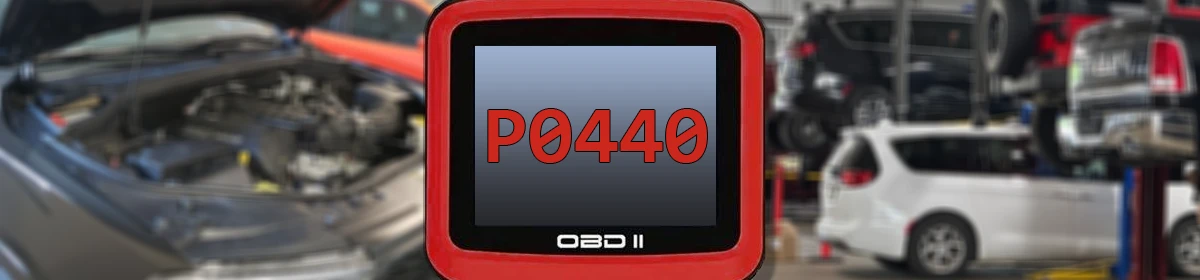
The P0440 Diagnostic Trouble Code (DTC) in Dodge vehicles indicates a malfunction in the Evaporative Emission Control System (EVAP). This system is responsible for preventing fuel vapors from escaping into the atmosphere by storing them in a charcoal canister and routing them to the engine for combustion.
When the Powertrain Control Module (PCM) detects that the EVAP system cannot hold pressure during testing, it sets the P0440 code and usually turns on the Check Engine Light (CEL).
Symptoms
- Check Engine Light (CEL) illuminated
- Fuel odor, especially near the fuel tank or filler area
- No noticeable drivability issues
- Possible failed emissions test
Causes
The P0440 code is a general fault in the EVAP system and can be triggered by several issues:
- Loose, Missing, or Damaged Gas Cap
- The most common and easily fixable cause.
- If the cap cannot seal properly, the system loses pressure.
- Leaks in the EVAP System
- Cracked, disconnected, or dry-rotted hoses
- Leaky charcoal canister
- Leaking fuel tank seals or gaskets
- Faulty Purge or Vent Solenoid Valve
- These valves control the flow of vapors.
- If they stick open or closed, system pressure may not be maintained.
- EVAP Pressure Sensor Failure
- A malfunctioning sensor may send false pressure readings to the PCM.
- Wiring or Connector Issues
- Damaged or corroded electrical connectors to the purge or vent valves
Diagnose
- Step 1: Use an OBD-II Scanner
- Confirm the P0440 code is present.
- Check for related codes like P0441, P0442, or P0455 which can narrow the fault.
- Step 2: Inspect the Gas Cap
- Ensure it is tightened correctly.
- Replace it if it’s cracked, damaged, or not sealing.
- Step 3: Perform a Visual Inspection
- Look for damaged or disconnected EVAP hoses.
- Inspect the charcoal canister and valves for cracks or leaks.
- Step 4: Conduct a Smoke Test (Professional Tool Required)
- A smoke machine pressurizes the EVAP system and reveals leaks that are otherwise hard to find.
- Step 5: Test EVAP Components
- Use a scan tool or multimeter to test purge and vent solenoid functionality.
- Verify that EVAP pressure sensors are reporting correctly.
Solutions
- Replace or Tighten the Gas Cap
- Start here. If loose or faulty, replace with an OEM gas cap.
- Repair Leaks in Hoses or Components
- Replace any cracked, disconnected, or brittle hoses.
- Seal or replace a leaking charcoal canister or fuel tank grommet.
- Replace Faulty Solenoid Valves
- If purge or vent valves fail to open/close correctly, they must be replaced.
- Fix Electrical Issues
- Repair or replace damaged wiring and connectors to EVAP components.
- Replace EVAP Pressure Sensor (if applicable)
- If sensor diagnostics show faulty readings, replace it with an OEM component.
Preventive Maintenance Tips
- Always tighten the gas cap until it clicks.
- Inspect EVAP hoses during regular maintenance.
- Avoid overfilling the fuel tank, which can damage EVAP components.
- Use only high-quality OEM or equivalent parts for repairs.