DTC P0300
Issue Description
The P0300 DTC is a generic OBD-II trouble code that indicates a random or multiple cylinder misfire in the engine. While this code is not exclusive to Dodge, it is commonly reported in various Dodge models such as the Charger, Challenger, Durango, Ram, and others. When this code is triggered, it typically points to an issue affecting engine performance and efficiency.

Symptoms
- Illuminated Check Engine Light.
- Rough idling or engine shaking.
- Hesitation during acceleration.
- Reduced engine power.
- Poor fuel economy.
- Engine stalling (especially at low RPMs).
Causes
P0300 indicates random misfires, meaning that it isn’t isolated to a single cylinder. Below are typical causes in Dodge vehicles:
- Ignition System Problems
- Faulty spark plugs.
- Damaged or worn spark plug wires.
- Failing ignition coils or coil packs.
- Improper spark plug gap.
- Fuel Delivery Issues
- Clogged fuel injectors.
- Weak or failing fuel pump.
- Dirty or clogged fuel filter.
- Low fuel pressure.
- Air Intake or Vacuum Leaks
- Cracked intake manifold or gaskets.
- Loose or damaged vacuum hoses.
- Leaking EGR valve or PCV system.
- Engine Mechanical Problems
- Low compression in one or more cylinders.
- Timing chain or belt issues.
- Worn valve seats or piston rings.
- Sensor Malfunctions
- Faulty crankshaft or camshaft position sensor.
- Failing mass air flow (MAF) sensor.
- Malfunctioning engine coolant temperature sensor.
- ECM/PCM Software Issues
- Corrupted or outdated ECU software.
- Wiring issues in engine control circuits.
Diagnose
A systematic diagnostic approach is key:
- Scan the Vehicle
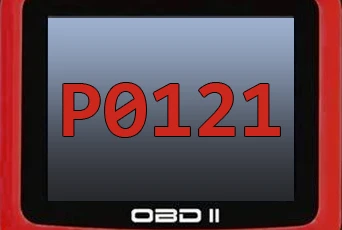
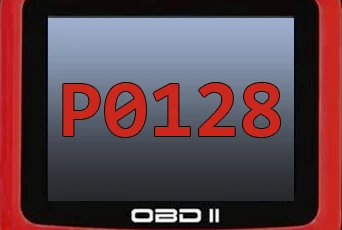
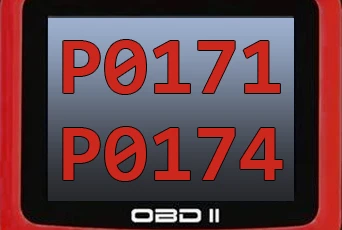
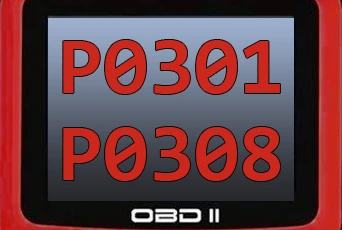
- Use an OBD-II scanner to confirm the presence of P0300 and check for related codes (e.g., P0301–P0308 for specific cylinder misfires).
- Visual Inspection
- Loose spark plug wires or coil connections.
- Cracked hoses or vacuum leaks.
- Oil or moisture around ignition components.
- Test Components
- Use a multimeter to test ignition coils and wires.
- Check spark plugs for fouling or wear.
- Use a fuel pressure gauge to measure system pressure.
- Perform a compression test or cylinder leak-down test.
Solutions
- Replace Faulty Spark Plugs and Coils. If ignition components are old or damaged, replace them. Always use OEM-specified parts and check gap settings.
- Clean or Replace Fuel Injectors. If injectors are clogged, use a professional injector cleaning service or replace as necessary.
- Repair Vacuum Leaks. Fix cracked hoses, gaskets, or intake manifold issues to prevent unmetered air from entering the engine.
- Update ECU Software. In some Dodge models, reprogramming the PCM with updated software can resolve unexplained misfires.
- Repair Engine Mechanical Issues. Address low compression or timing problems by consulting a qualified technician. This may involve internal engine repairs.
Preventive Tips
- Perform regular spark plug changes based on Dodge’s maintenance schedule.
- Use high-quality fuel and perform periodic fuel system cleaning.
- Address check engine lights promptly to avoid compounding issues.
- Replace air and fuel filters at recommended intervals.