
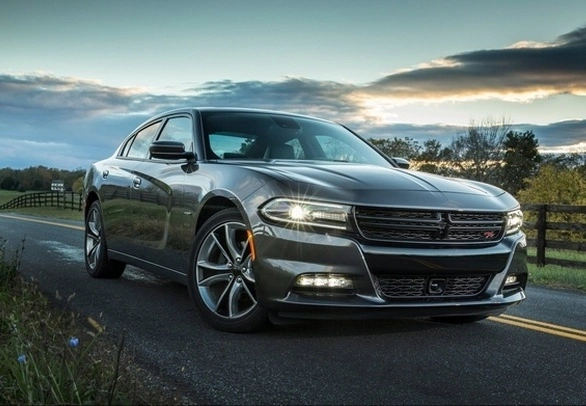
The Dodge Charger is an iconic muscle car produced by Chrysler Corporation under the Dodge brand since 1966. Known for its powerful performance and unmistakable design, the Charger has been a symbol of American muscle car heritage for decades. From its original introduction as a high-performance street car to its evolution into a modern-day high-performance sedan, the Charger has maintained its reputation for speed and style. With a range of engine options, including V6 and V8 powertrains, the Charger offers exhilarating performance on both the road and the track. The Charger's timeless appeal, coupled with its blend of classic design cues and modern features, continues to make it a popular choice among enthusiasts and performance car lovers.
DODGE CHARGER PROBLEMS
-

Worst Year
2006
-

Worst Module
Electrical
Issues by Year
Years to avoid. Click on columns for details
Malfunction Modules
Compare how reliable modules are. Select component for details
Best and Worst Years
-
Best Choice

1984 Charger
Total Complaints:
1 issues
-
Worst Choice

2006 Charger
Car owners are faced with the first problems after 1 miles.
Total Complaints:
1837 issues
Common Complaints and Reliability
-
1. Engine, Drivetrain, and Fuel System:
- Starter failure/solenoid freezing.
- Fuel injector failure.
- Intermittent stalling.
- A/C compressor failure.
- Engine going into an uncontrolled fast idle when braking, smoking the tires, requiring immediate engine shutdown.
- Vehicle intermittently jerking or losing power, especially during acceleration from a stop.
- Accelerator pedal delayed in returning to the up position, leading to collisions or unintended acceleration at low speeds.
- Engine compartment fires due to wiring issues, melting plastic and rubber parts.
- Thermostat failure.
- Starter failure/solenoid freezing.
-
2. Electrical System and Lighting:
- Water leaking through the windshield onto the computer.
- Problems with starter wiring.
- Alternator needing frequent replacement (up to five times).
- Passenger's side headlight failure, with melted wiring harness.
- Wiring catching fire.
- In-dash audio radio station seeking down without user input.
- Water leaking through the windshield onto the computer.
-
3. Steering, Suspension, and Wheels:
- Wheel bearing failure.
- Problem with the steering gear box.
- Right front axle needing replacement.
- Noticeable delay after shifting down when using paddle shifters in manual mode.
- Wheel bearing failure.
-
4. Brakes and Acceleration:
- Brake failure.
- Random activation of forward collision warning, requiring decreased sensitivity.
- Brake failure.
-
5. Safety Features (Airbags & Seatbelts):
- Seatbelt issues, including seatbelts locking prematurely during impact, causing injuries (e.g., bruised torso).
- Airbags failing to deploy during collisions.
- Seatbelt issues, including seatbelts locking prematurely during impact, causing injuries (e.g., bruised torso).
-
6. Body, Exterior, and Interior:
- Tail light breaking from being pushed.
- Tail light breaking from being pushed.
-
7. Tires:
- Right rear tire tread separation at highway speeds, causing loss of vehicle control, though the tire still held air.
- Right rear tire tread separation at highway speeds, causing loss of vehicle control, though the tire still held air.
Questions
-
How to fix P0300 code on Dodge Charger?
To fix a P0300 trouble code on a Dodge Charger, start by checking the spark plugs, ignition coils, and fuel injectors for any signs of wear or damage. Additionally, inspect the air and fuel filters, and ensure proper fuel pressure. Check for vacuum leaks, a faulty EGR valve, or issues with the mass airflow sensor. Clear the code after making necessary repairs or replacements, and test drive the vehicle to verify if the issue has been resolved. If the problem persists, seek professional assistance for further diagnosis and repair.
-
Is there a recall on Dodge Chargers?
Recalls on Dodge Chargers can vary depending on the model year and any reported safety concerns. It is advisable to check with the National Highway Traffic Safety Administration (NHTSA) or the Dodge Charger Recalls List websites for the most up-to-date information on recalls for your specific Charger model. Manufacturers typically issue recalls to address safety issues and provide free repairs or replacements for affected vehicles.
Other Models
- 600 Number of complaints: 20
- Aries Number of complaints: 62
- Avenger Number of complaints: 4204
- B100 Number of complaints: 2
- B150 Number of complaints: 20
- B200 Number of complaints: 4
- B250 Number of complaints: 129
- B300 Number of complaints: 5
- B350 Number of complaints: 39
- Caliber Number of complaints: 2723
- Caravan Number of complaints: 13889
- Challenger Number of complaints: 2001
- Charger Number of complaints: 7347
- Colt Number of complaints: 326
- Colt Vista Number of complaints: 29
- D100 Number of complaints: 6
- D150 Number of complaints: 23
- D200 Number of complaints: 2
- D250 Number of complaints: 25
- D350 Number of complaints: 6
- D50 Number of complaints: 5
- Dakota Number of complaints: 9001
- Dart Number of complaints: 3039
- Daytona Number of complaints: 162
- Diplomat Number of complaints: 9
- Durango Number of complaints: 17828
- Dynasty Number of complaints: 616
- Grand Caravan Number of complaints: 17221
- Hornet Number of complaints: 31
- Intrepid Number of complaints: 7916
- Journey Number of complaints: 6761
- Lancer Number of complaints: 52
- Magnum Number of complaints: 1517
- Monaco Number of complaints: 80
- Neon Number of complaints: 4783
- Nitro Number of complaints: 1522
- Omni Number of complaints: 38
- Raider Number of complaints: 36
- Ram 1500 Number of complaints: 24388
- Ram 2500 Number of complaints: 12746
- Ram 3500 Number of complaints: 6071
- Ram 4500 Number of complaints: 97
- Ram 5500 Number of complaints: 255
- Ram SRT-10 Number of complaints: 9
- Ram Van Number of complaints: 289
- Ramcharger Number of complaints: 30
- Shadow Number of complaints: 567
- Spirit Number of complaints: 591
- Sprinter Number of complaints: 109
- Sprinter 2500 Number of complaints: 196
- Sprinter 3500 Number of complaints: 105
- Stealth Number of complaints: 289
- Stratus Number of complaints: 3500
- Viper Number of complaints: 80
- W100 Number of complaints: 6
- W150 Number of complaints: 7
- W200 Number of complaints: 1
- W250 Number of complaints: 34
- W350 Number of complaints: 7