DTC P0456
Issue Description
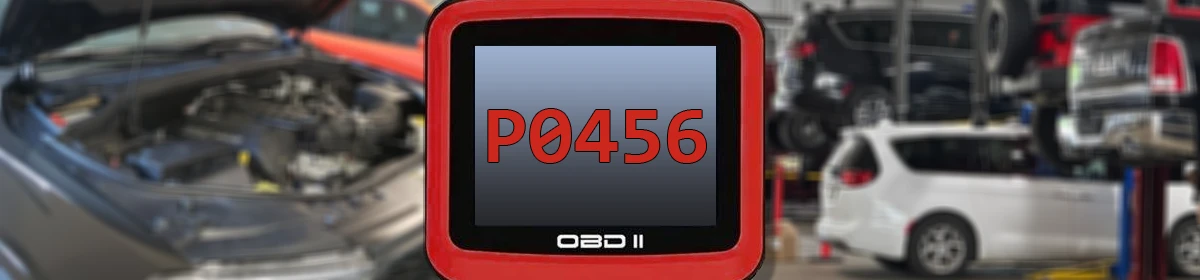
The P0456 Diagnostic Trouble Code (DTC) indicates that the Powertrain Control Module (PCM) in a Dodge vehicle has detected a very small leak in the Evaporative Emission Control System (EVAP). This system captures fuel vapors from the gas tank and routes them to the engine to prevent them from escaping into the atmosphere.
While P0456 does not usually affect drivability, it can trigger the Check Engine Light and cause a vehicle to fail an emissions test.
Symptoms
- Check Engine Light (CEL) illuminated
- Fuel odor, especially near the gas cap or under the vehicle
- No noticeable performance or drivability issues
- Failed emissions or smog inspection
Causes
P0456 indicates a small leak, typically 0.020 inches or smaller (about the size of a pinhole), in the EVAP system. Common causes include:
- Loose or Faulty Gas Cap
- The most common cause—may be loose, cracked, or not sealing correctly
- Cracked or Disconnected EVAP Hoses
- Small cracks or loose connections in vacuum lines can trigger this code
- Leaking Charcoal Canister
- The canister may develop cracks or leaks over time
- Faulty Purge or Vent Valve
- A stuck-open purge or vent valve can allow vapor leaks
- EVAP System Seal Failures
- Fuel filler neck gasket, tank seals, or sensor gaskets may leak under pressure
Diagnose
- Step 1: Scan for Trouble Codes
- Step 2: Inspect the Gas Cap
- Remove and re-tighten; if the code persists, replace it
- Visually inspect for cracks or dry rot in the seal
- Step 3: Perform a Visual Inspection of the EVAP System
- Look for disconnected or cracked vacuum hoses
- Inspect the charcoal canister and connections
- Step 4: Conduct a Smoke Test (Preferred Diagnostic Method)
- Introduce smoke into the EVAP system to identify tiny leaks that are hard to see
- Pay special attention to gas cap, purge/vent valves, and hose fittings
- Step 5: Test EVAP Components Individually
- Use a multimeter or scan tool to test purge and vent valve operation
- Check for proper voltage, resistance, and function
Solutions
- Replace or Tighten the Gas Cap
- Start with the simplest and most common fix
- Use an OEM or high-quality replacement
- Repair or Replace Damaged EVAP Hoses
- Replace any hose with cracks, splits, or loose connections
- Replace Faulty Purge or Vent Valve
- If they’re not opening/closing as expected, they should be replaced
- Replace Leaky Charcoal Canister
- If a leak is detected during testing or inspection, install a new canister
- Repair Faulty Connectors or Wiring
- Check electrical connections to solenoids and valves; repair as needed
Preventive Maintenance Tips
- Always tighten the gas cap until it clicks after refueling
- Inspect hoses and vacuum lines during routine maintenance
- Avoid overfilling the fuel tank, which can saturate the EVAP canister
- Use only high-quality fuel and OEM parts for replacements